


Edible Oil Export Guide
Edible Oil Exporter Guide: Global Trade, Quality Standards and Market Demand
Understand how edible oil exporters supply refined and cold-pressed oils worldwide with structured quality control, packaging, and international logistics coordination.
The global demand for edible oils continues to grow due to expanding food processing industries and retail consumption patterns. An experienced edible oil exporter plays a critical role in supplying refined and cold-pressed oils to international markets while maintaining strict quality standards.
Cooking oils such as sunflower oil, soybean oil, rice bran oil, mustard oil, and coconut oil are widely traded across regions including the Middle East, Africa, Europe, and Asia.
Types of Edible Oils in International Trade
- Refined Sunflower Oil
- Refined Soybean Oil
- Refined Palm Oil
- Rice Bran Oil
- Cold-Pressed Mustard Oil
- Cold-Pressed Groundnut Oil
- Coconut Oil
Quality Standards in Edible Oil Export
Maintaining oil purity and stability during transit is essential. Exporters monitor:
- Free fatty acid (FFA) levels
- Moisture content
- Color consistency
- Odor and taste profile
- Refining and filtration processes
Packaging Formats for Global Distribution
Edible oils are packed in secure, food-grade materials designed to prevent contamination and leakage during transportation.
- 250 ml and 500 ml retail bottles
- 1L, 2L, and 5L PET bottles
- 15 kg tins
- 20L and 25L containers
- 190 kg drums for industrial supply
Export Documentation and Trade Compliance
International edible oil trade requires proper documentation and customs compliance. Exporters handle:
- Commercial invoice and packing list
- Certificate of origin
- Quality analysis report
- Shipping coordination
- Custom clearance documentation
Key Import Markets
Cooking oils are widely imported by countries with limited domestic production capacity. Buyers prioritize suppliers who ensure consistent product specifications and stable shipment timelines.
Why Reliable Exporters Matter
An organized edible oil exporter ensures:
- Stable supply volumes
- Quality consistency across shipments
- Food-grade packaging integrity
- Professional logistics management
- Long-term trade partnership potential
As global consumption continues to rise, exporters with structured sourcing, processing, and shipping systems remain essential partners in the international edible oil trade industry.
Related Blogs
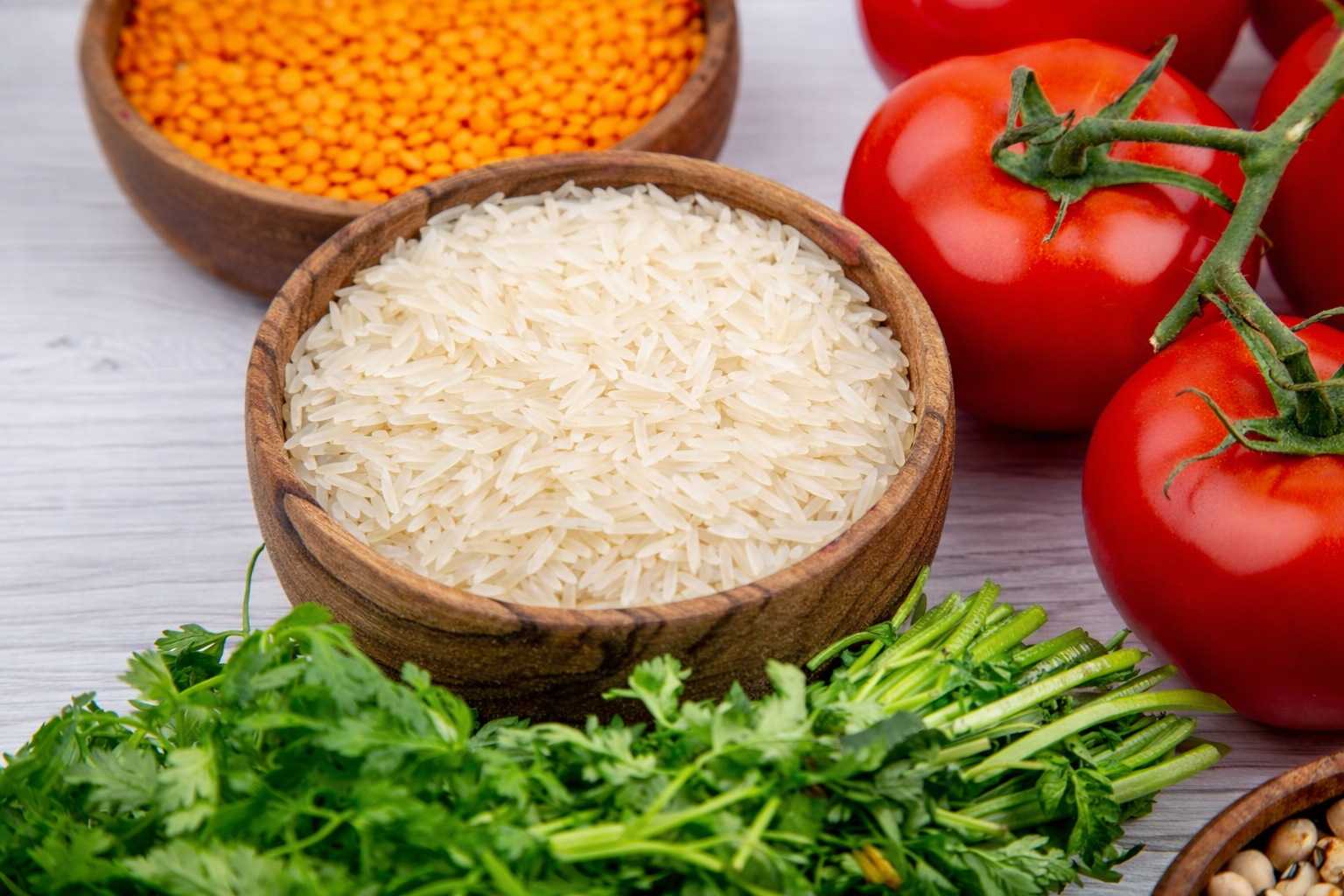
Explore how Indian rice exporters supply Basmati and non-Basmati rice varieties worldwide with structured grading, packaging, and international logistics coordination.
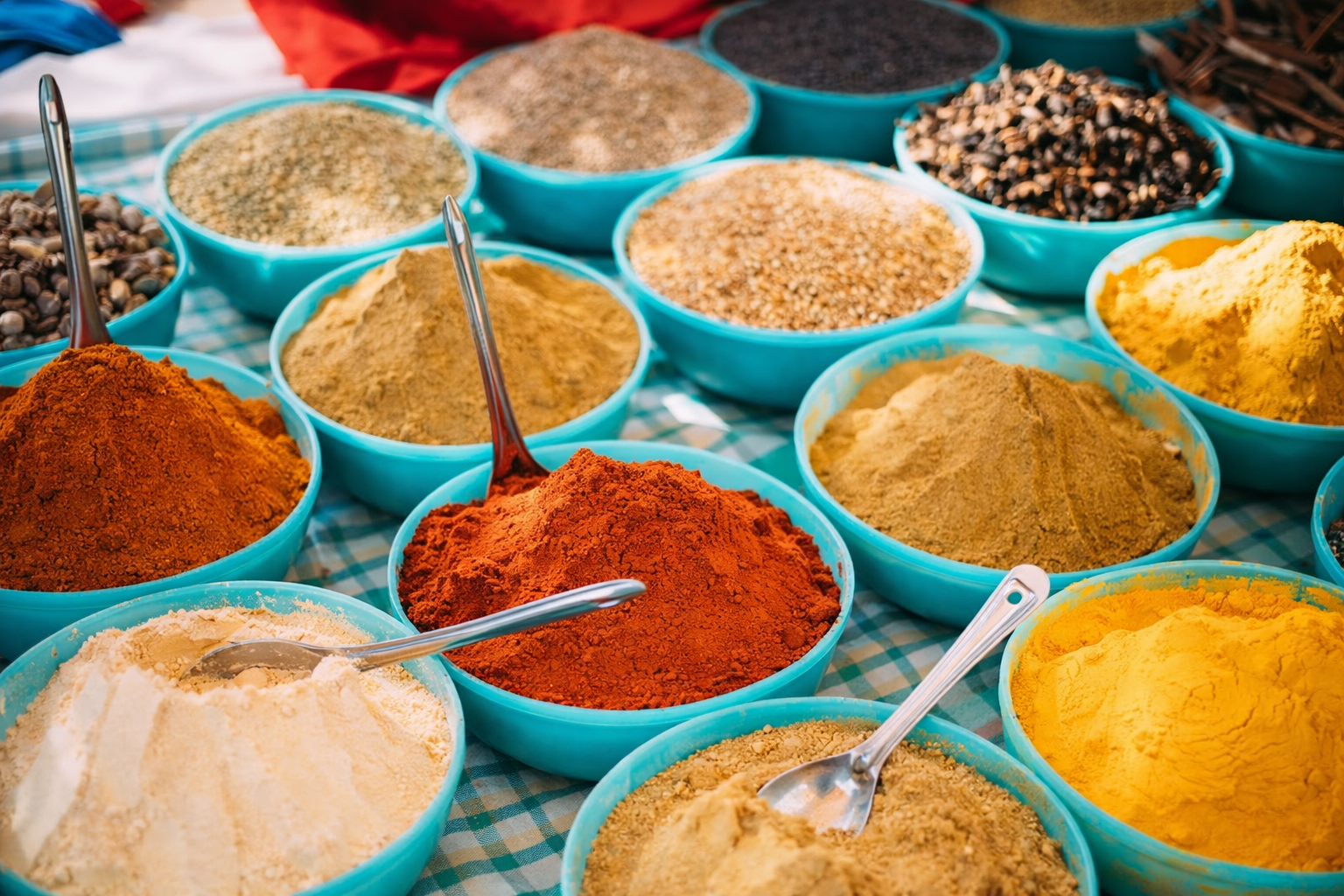
Learn how Indian spices are sourced, processed, graded, and exported to international markets with structured quality control and professional logistics…
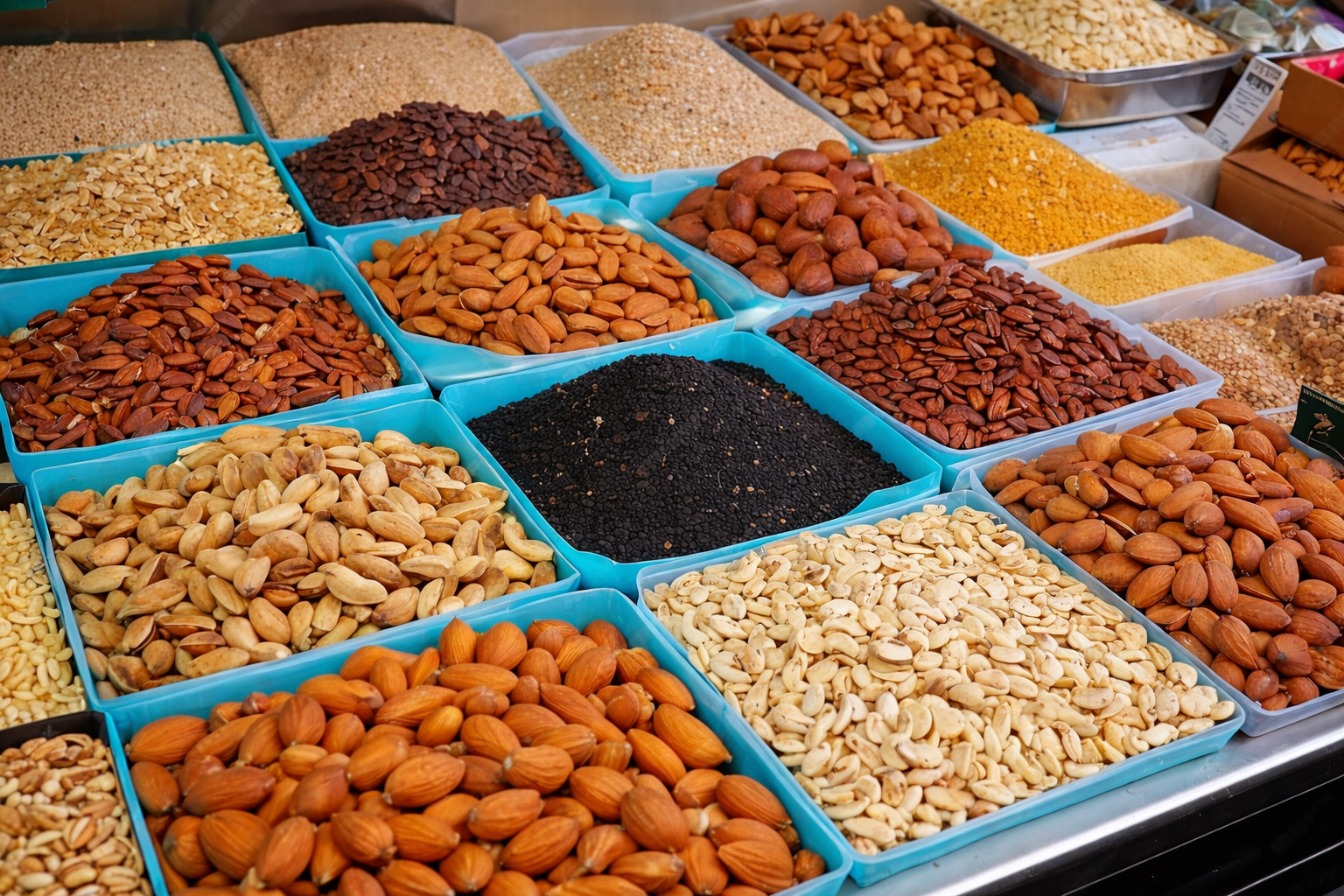
Explore how dry fruits are sourced, processed, packed, and exported from India to international markets with structured quality control and…
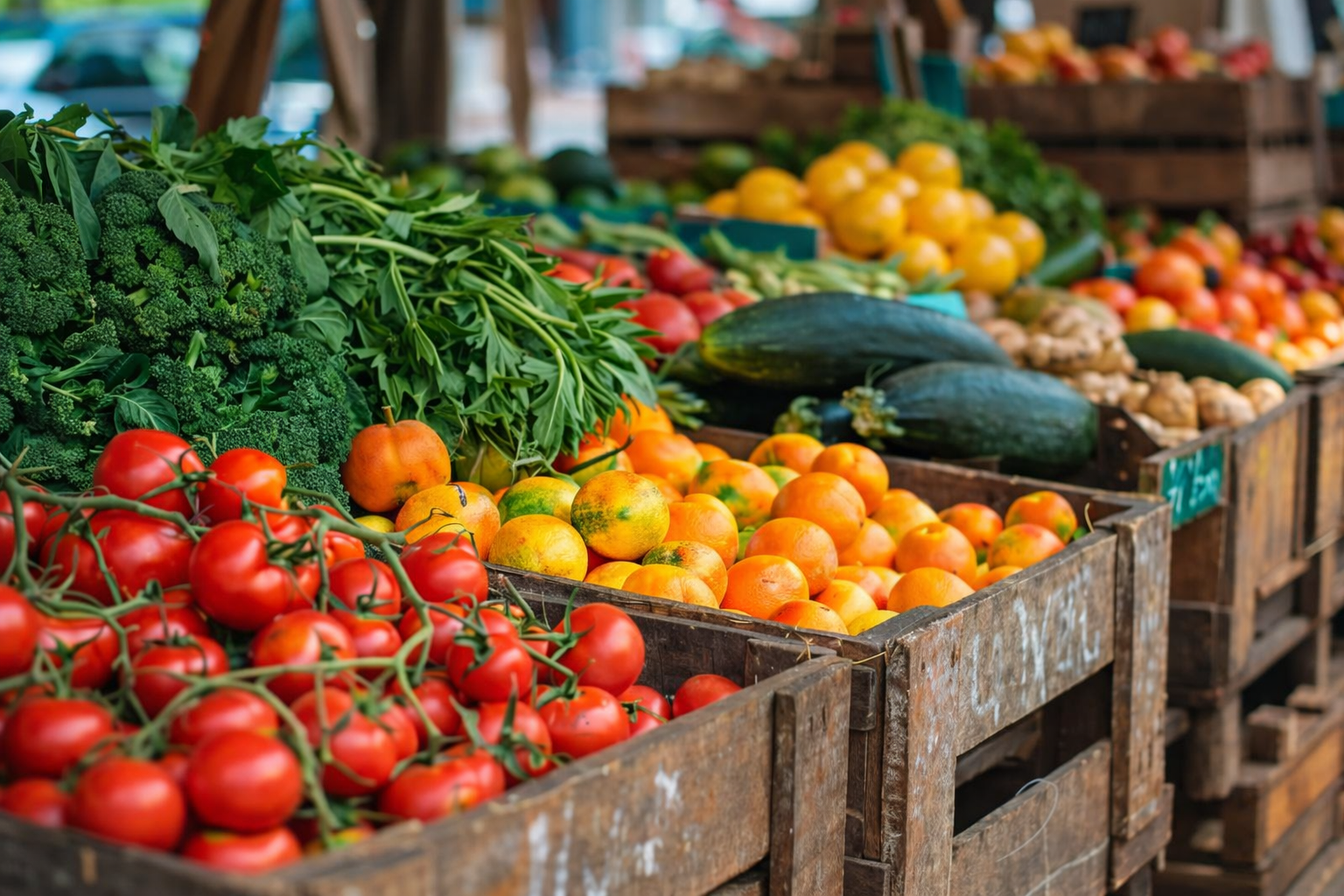
Learn how Indian fresh vegetables are sourced, graded, packed, and exported to international markets with structured quality control and logistics…
Discover how Pahank ensures structured export management, quality control, and international supply of spices, grains, rice, oils, and agro commodities…