

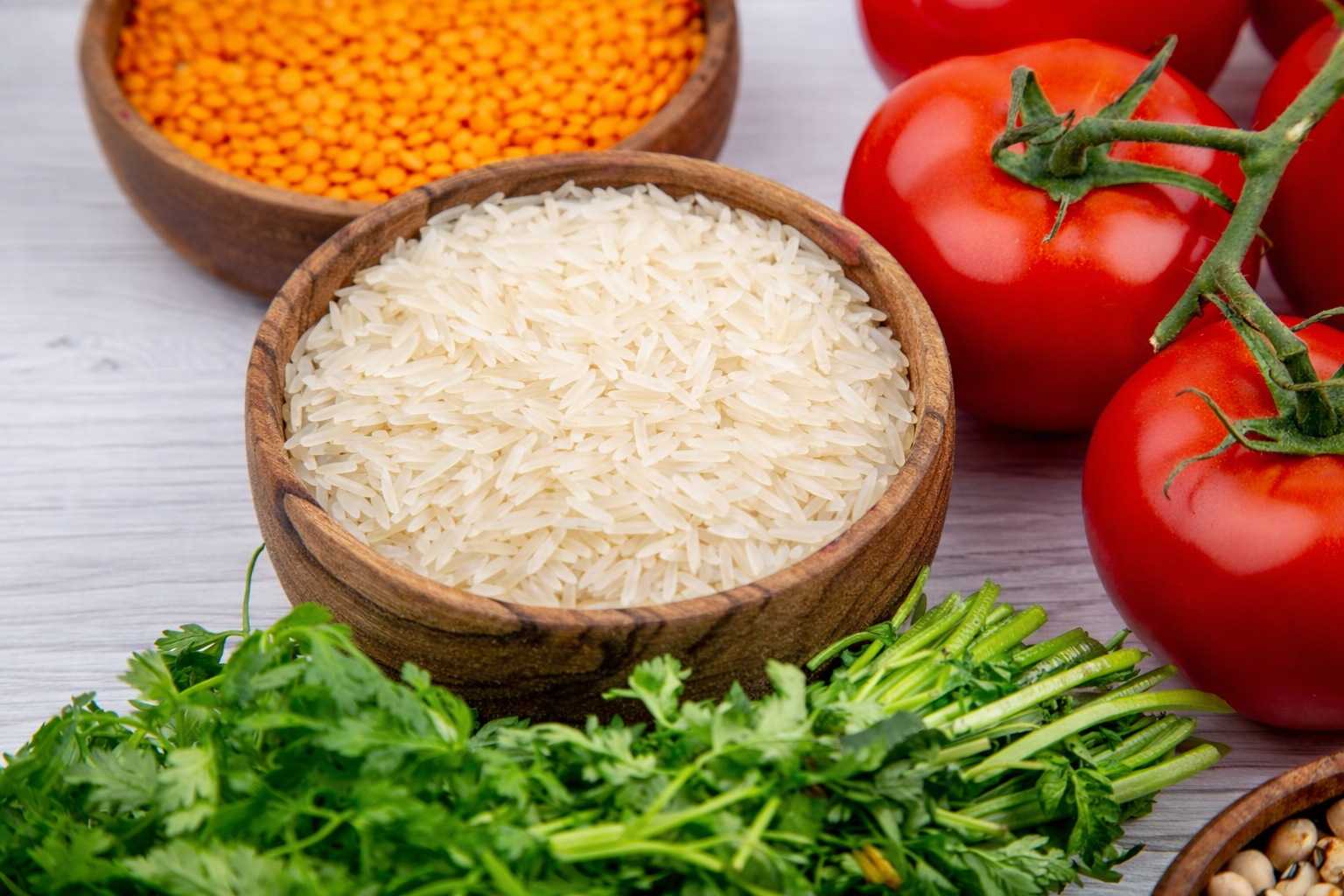
Indian Rice Export Guide
Indian Rice Exporter Guide: Basmati and Non-Basmati Rice for Global Markets
Explore how Indian rice exporters supply Basmati and non-Basmati rice varieties worldwide with structured grading, packaging, and international logistics coordination.
India is one of the leading rice exporters in the world, supplying Basmati and non-Basmati rice varieties to international markets. The demand for Indian rice continues to grow due to its quality, grain length, aroma, and suitability for diverse culinary applications.
An experienced Indian rice exporter ensures proper grading, moisture control, packaging integrity, and documentation compliance to meet global trade standards.
Major Varieties in International Rice Trade
Global buyers source different rice varieties based on regional consumption patterns. Key export varieties include:
- 1121 Basmati Rice (Steam, Raw, Sella)
- Traditional Basmati Rice
- Pusa Basmati Rice
- Sona Masoori Rice
- IR 64 Rice
- Parboiled Rice
- Brown Rice
Quality Parameters in Rice Export
International rice trade requires strict quality control to ensure product consistency and compliance. Exporters monitor:
- Moisture percentage
- Broken grain ratio
- Foreign matter removal
- Uniform grain length
- Color and purity standards
Packaging Standards for Global Distribution
Rice is packed using food-grade materials designed to protect grain quality during transit. Common export packaging includes:
- 5 kg, 10 kg, 25 kg, and 50 kg PP bags
- BOPP laminated bags
- Non-woven fabric bags
- Private label packaging
- Container loading with palletization
International Markets for Indian Rice
Indian rice is widely exported to the Middle East, Europe, Africa, and Asia. Buyers prioritize suppliers who offer stable volumes, structured communication, and reliable shipping timelines.
Documentation and Export Compliance
A professional rice exporter handles:
- Commercial invoice preparation
- Packing list documentation
- Certificate of origin
- Phytosanitary certificate (if required)
- Shipping and customs coordination
Why Structured Export Management Matters
In international rice trade, supply consistency and quality stability are critical. A reliable Indian rice exporter ensures:
- Consistent grading across shipments
- Moisture-controlled storage
- Secure packaging integrity
- Transparent logistics updates
- Long-term trade reliability
As global demand for rice continues to expand, exporters with structured supply chains and professional coordination remain essential partners for international food distributors and wholesalers.
Related Blogs

Understand how edible oil exporters supply refined and cold-pressed oils worldwide with structured quality control, packaging, and international logistics coordination.
Learn how Indian spices are sourced, processed, graded, and exported to international markets with structured quality control and professional logistics…
Explore how dry fruits are sourced, processed, packed, and exported from India to international markets with structured quality control and…
Learn how Indian fresh vegetables are sourced, graded, packed, and exported to international markets with structured quality control and logistics…
Discover how Pahank ensures structured export management, quality control, and international supply of spices, grains, rice, oils, and agro commodities…