

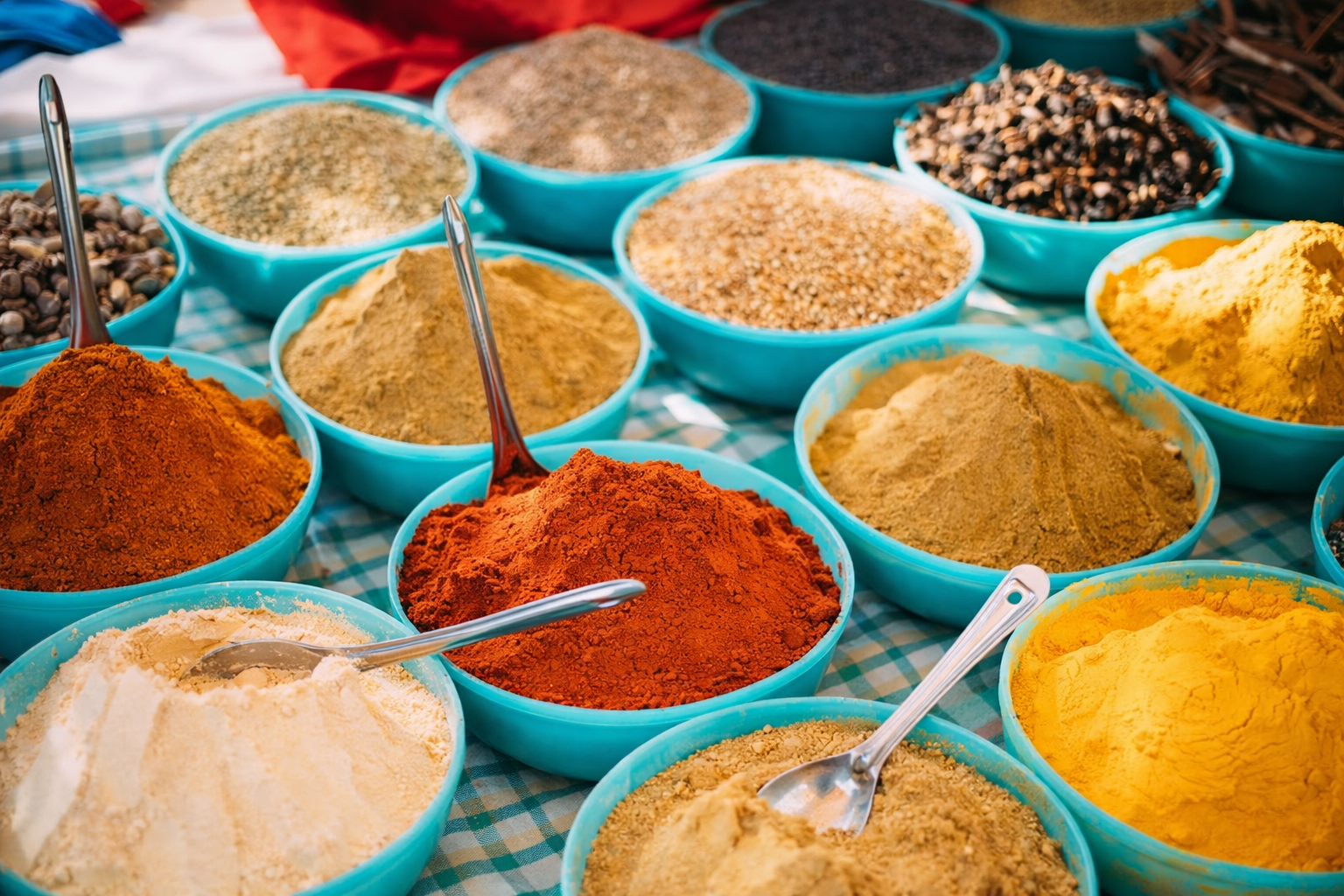
Spices Export Guide
Spices Export from India: Global Trade Process, Quality Standards and Market Demand
Learn how Indian spices are sourced, processed, graded, and exported to international markets with structured quality control and professional logistics coordination.
India is one of the largest producers and exporters of spices in the world. From cumin seeds and cloves to cardamom and cinnamon, Indian spices are widely recognized for their aroma, flavor intensity, and culinary value. Structured export management ensures that these spices reach international markets while maintaining quality and consistency.
Why Indian Spices Are in Global Demand
Spices are essential ingredients in food manufacturing, seasoning blends, ready-to-eat meals, and traditional cuisines across multiple regions. International buyers seek suppliers who can provide:
- Consistent grading standards
- Moisture-controlled processing
- Cleanliness and impurity removal
- Secure export packaging
- Reliable shipment scheduling
Quality Control in Spice Export
Maintaining quality is critical in spice trade. Exporters follow systematic inspection procedures to ensure:
- Uniform seed or pod size
- Controlled moisture levels
- Proper cleaning and sorting
- Minimal foreign matter
- Standardized packing procedures
Processing and Packaging Standards
Spices are packed using food-grade materials that protect aroma and flavor during transit. Packaging formats commonly include:
- 25 kg and 50 kg export bags
- HDPE bags with inner lining
- Corrugated cartons for delicate spices
- Vacuum-sealed packaging
- Private label retail packs
Documentation and Trade Compliance
International spice trade requires structured documentation and customs compliance. Export coordination typically includes:
- Commercial invoice preparation
- Packing list documentation
- Certificate of origin
- Inspection reports when required
- Shipping line coordination
Major Import Markets for Indian Spices
Indian spices are exported to the Middle East, Europe, North America, Africa, and Southeast Asia. Importers value suppliers who maintain transparent communication and long-term trade reliability.
Building Long-Term Trade Partnerships
Reliable spice exporters focus on consistent quality, structured communication, and efficient logistics. By maintaining grading accuracy and shipment stability, exporters can build sustainable international trade relationships.
As global demand for spices continues to grow, professional export management plays a vital role in connecting Indian spice producers to international food industries.
Related Blogs

Understand how edible oil exporters supply refined and cold-pressed oils worldwide with structured quality control, packaging, and international logistics coordination.
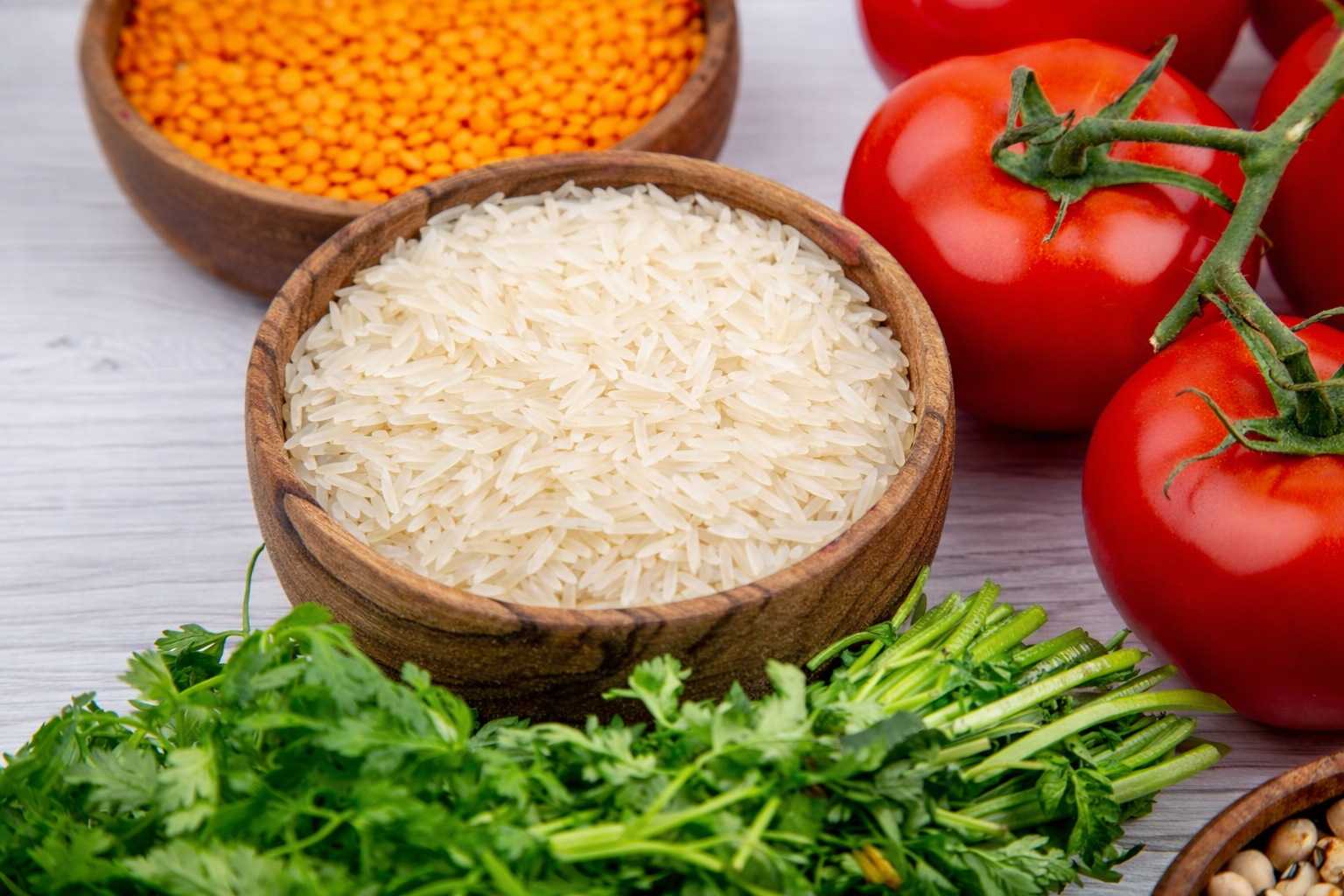
Explore how Indian rice exporters supply Basmati and non-Basmati rice varieties worldwide with structured grading, packaging, and international logistics coordination.
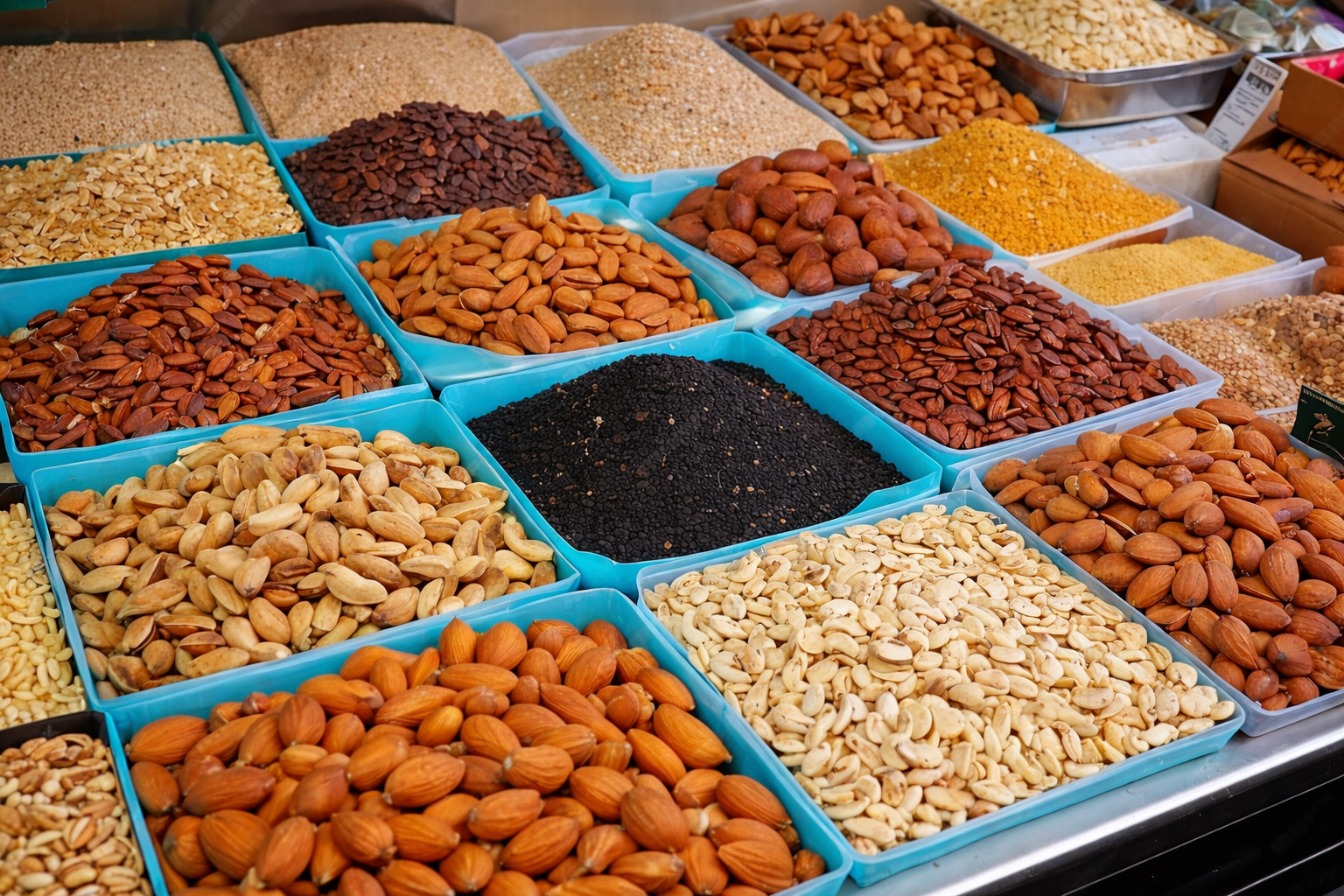
Explore how dry fruits are sourced, processed, packed, and exported from India to international markets with structured quality control and…
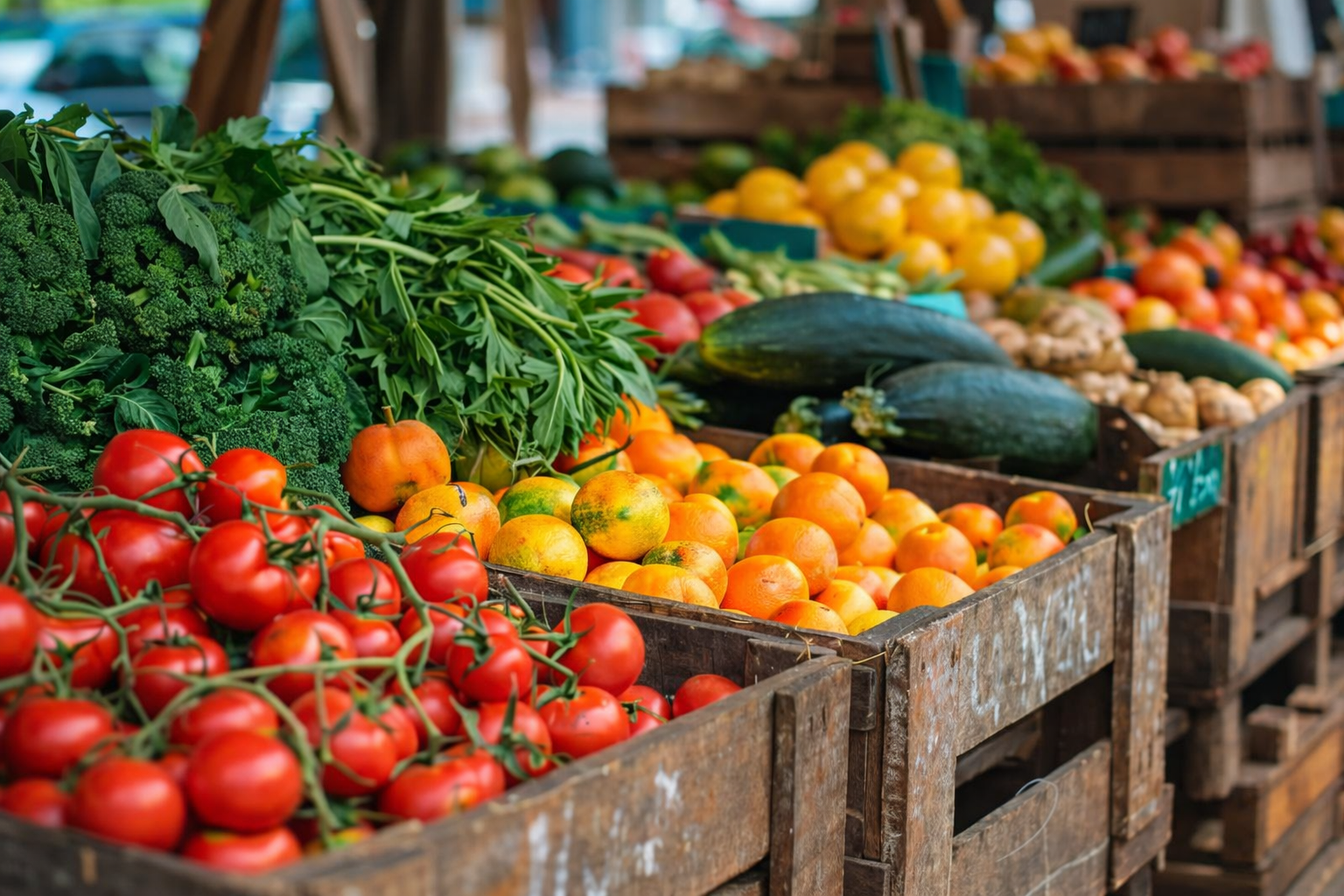
Learn how Indian fresh vegetables are sourced, graded, packed, and exported to international markets with structured quality control and logistics…
Discover how Pahank ensures structured export management, quality control, and international supply of spices, grains, rice, oils, and agro commodities…